
There are over 13,000 trade shows being held every year in the United States alone. Safe to say they are a major marketing expense, not to mention high-pressure environments, especially when you’re attending a trade show for the first time. After all you are committing budget, people, and reputation without fully knowing what will work once the doors open.
Most first-timers assume show success comes from a booth a great number of attendees gather at. In reality, results come from clarity, preparation, and knowing exactly how to turn those future business conversations into real, lucrative opportunities.
In this detailed guide for first-time trade show exhibitors, we focus on what matters before, during, and after your first event so your investment produces measurable results instead of hard-learned lessons.
Let’s get to it.
Key Takeaways: Trade Show Checklist
- Trade shows work best as relationship starters. Success depends on preparation and follow-through.
- The right event ≠ the biggest event. Audience fit and manageability drive better outcomes for first-time exhibitors.
- Clear goals before booking shape everything, from booth setup to lead qualification and follow-up.
- Trade show organizers have rules in place. Make sure to remember deadlines, regulations, and required submissions.
- Simpler booths and focused messaging fare better than cluttered designs, especially for new exhibitors.
- The right booth staff and basic training turn casual conversations into meaningful next steps.
- Digital lead capture prevents data loss and makes post-show follow-up heaps more effective.
- Interactive displays reduce pressure on staff whilst keeping engagement consistent and structured.
- Short, repeatable demos maintain energy and allow more visitors to engage throughout the day.
- Lead qualification should happen on the trade show floor with context still fresh.
- Pre-show outreach and post-show speed considerably improve overall ROI.
- Padzilla helps first-time exhibitors compete by combining engagement, demos, and lead capture into one streamlined experience.
1. First Understand What Trade Shows Actually Deliver
If there’s one thing to know about these types of shows, it’s that they create momentum, not instantaneous outcomes.
For those exhibiting at a trade show for the first time, the value lies in starting conversations, building trust, and opening doors that continue well after the event culminates. When expectations are realistic, trade shows become a strategic channel instead of a costly gamble.
Trade shows as relationship accelerators
Most trade show attendees are not walking the floor ready to buy on the spot. They’re not there to purchase a product or service, at least not yet. They are still in the comparing options, gathering insights, and forming shortlists stages.
With that being said, a successful booth experience moves your brand into that consideration set and gives prospects a reason to continue the conversation later.
Trade shows compress months of outreach into a few days. Face-to-face interaction builds familiarity faster than email or ads. That trust is what turns into demos, meetings, and deals once the in-person event is over.
Common misconceptions
Many newbie exhibitors equate success with booth traffic. There’s no doubt a crowded booth looks impressive, enviable even; but it does not guarantee quality leads or follow-up conversations. Without intention and structure, traffic becomes noise.
Another misconception is treating trade shows as standalone events. The real return depends on what happens before the show to attract the right people and after the show to continue the dialogue (more on this later).
Exhibitors who understand this early avoid disappointment and wasted effort.
2. Choose the Right Trade Show for Your First Exhibit
If you haven’t picked or signed up for a specific event yet, know that not every trade show is a good fit for a first-timer. The right expo event matches your target audience, budget, and experience level.
Match attendee profiles to your actual buyer
Start with who attends and to not make the mistake of choosing based off of how popular the event looks. Review attendee lists, job titles, and industries represented. If your ideal customer is not well represented, even a large show will struggle to deliver results.
Smaller, niche events can outperform massive expos for trade show exhibit first-timers. They attract more focused audiences and allow for longer, more meaningful conversations without overwhelming competition.
Evaluate show size, cost, and competition level
Large trade shows come with higher costs and stronger competition. Established brands with colossal booths can dominate attention. That makes it harder for tradeshow neophytes to stand out. For a first exhibit, balance visibility with manageability.
Consider total cost beyond booth space. Case in point: travel, shipping, staffing, and technology.
A show that fits your budget while leaving room for engagement tools and follow-up efforts will deliver far better value than stretching thin just to attend a big-name, tightly competitive event.
3. Set Clear Goals Before You Book Anything

Clear goals turn a trade show exhibit from a vague live event marketing activity into a quantifiable business initiative.
For first-time tradeshow exhibitors, goals provide direction for booth design, staffing, messaging, follow-up, etc. Without them, it becomes difficult to evaluate success or improve next time should you decide to exhibit again in the future.
Define lead quality over lead quantity
A smaller number of well-matched leads will ALWAYS outperform a long list of unqualified names. Defining what a strong lead looks like before the event helps your team put a premium on the right conversations.
Decide what criteria matter most. This could include:
- job role
- company size
- buying timeline
- specific pain points
When everyone shares the same definition of a qualified lead, lead capture becomes more intentional and a lot less of a pain in the neck to manage after the show.
Align sales, marketing, and leadership expectations
Misaligned expectations generate frustration.
Marketing may measure success by engagement while sales looks for ready-to-buy prospects. Leadership may expect immediate revenue. These gaps frequently surface only after the show; when it is too late to adjust.
Before committing, bring stakeholders into the same conversation. Agree on realistic outcomes such as number of qualified leads, booked follow-up meetings, or pipeline opportunities. With goals aligned, the event supports long-term growth rather than short-term disappointment.
4. Don’t Forget Organizer Rules, Deadlines, and Requirements Early
Trade show organizers control the rules of the game. Deadlines, regulations, and required submissions determine everything from booth design to shipping costs. Ignore these details and you’ll pay more and scramble later.
Deadlines impact both stress and cost
Trade show expenses increase over time. Early bird pricing may apply to booth add-ons, electrical, internet, shipping, and furnishings. Missing deadlines usually means higher fees or limited options.
Starting early gives you flexibility. The money saved through early trade show planning can be redirected toward better engagement tools, staff preparation, or lead capture technology.
Track key deadlines with a central calendar
Once registered, organizers typically provide a list of required deadlines. These can include booth layouts, insurance certificates, shipping windows, and exhibitor forms.
Add every deadline to a shared calendar with reminders. This prevents last-minute rushes and keeps responsibilities visible across teams. Trade show first-timers benefit greatly from treating deadlines as non-negotiable milestones.
Pay attention to organizer communications
Organizer emails usually get overlooked or mistaken for promotional content. Many contain important updates, rule changes, or deadline reminders that affect your booth setup.
Read all communications carefully and check spam folders regularly. Missing a single email can result in rushed decisions or unnecessary fees.
5. Budget for Your First Trade Show Without Surprises
Trade show costs extend far beyond booth space. New exhibitors underestimate expenses and overestimate how far their budget will stretch. A clear financial plan prevents last-minute compromises that adversely impact results.
Fixed costs vs variable costs
Fixed costs include booth rental, basic furnishings, and event registration fees. These are predictable and unavoidable once you commit. Variable costs include shipping, travel, staffing, marketing materials, and engagement tools, which can fluctuate based on decisions you make.
Budget for lead capture and engagement tools
Without a reliable way to collect and organize information, even strong conversations fade quickly after the event. Digital tools reduce friction and prevent data loss, which is critical for first-time teams.
Interactive displays and touchscreen kiosks also help stretch staffing resources. They educate visitors, support demos, and capture leads while your team focuses on higher-value conversations. Planning for these tools early ensures they fit into your budget and booth strategy.
6. Design a Booth That Works for First-Time Exhibitors
A first trade show booth does not need to be elaborate to be effective. What matters most is how easily visitors understand what you offer and how comfortable they feel starting a conversation. Simplicity and focus create better results than visual overload.
Clarity beats complexity
First-time trade show exhibitors often try to say too much at once. Multiple messages, crowded graphics, and competing visuals can confuse visitors and slow engagement. When people cannot quickly grasp what you do, they’re gonna keep walking.
A clear booth communicates one core idea. Strong visuals, minimal copy, and a defined focal point help visitors understand your value within seconds. This clarity sets the stage for meaningful conversations instead of rushed explanations.
Make your booth approachable for conversations
Booth layout influences behavior. Barriers like tall counters, cluttered tables, or closed-off spaces discourage entry. Open designs invite visitors to step in and engage naturally.
Position staff so they face outward and make eye contact with passersby. Leave space for small groups to gather without feeling crowded. An inviting layout signals that conversations are welcome, which is essential for inexperienced exhibitors building confidence on the floor.
7. Prepare Messaging That Attracts the Right Visitors
Your booth messaging acts as a filter. It attracts the right people while gently discouraging those who are not a fit. For first-time exhibitors, this focus prevents wasted time and energy.
Write booth copy that answers one core problem
Effective booth messaging centers on a specific challenge your audience recognizes. Instead of listing features, highlight the problem you help solve. This immediately resonates with visitors who are already seeking solutions.
When messaging is problem-focused, conversations start at a deeper level. Visitors arrive ready to talk about their needs rather than asking basic questions about what you do.
Avoid generic slogans and buzzwords
Generic phrases blend into the background of the exhibit hall. Terms like ‘innovative,’ ‘leading,’ or ‘next-generation’ appear on countless booths and rarely spark curiosity.
Specific language performs better. Clear statements about who you help and how you help them stand out. This approach attracts visitors who are more likely to engage seriously and continue the conversation after the event.
8. Staff Your Booth for Success
Your booth team plays a direct role in how visitors perceive your brand. For rookie exhibitors, the right people and preparation can turn uncertainty into confidence. Staffing decisions should prioritize approachability, focus, and follow-through.
Who should staff a first trade show booth
Choose team members who are comfortable starting conversations, listening actively, and explaining concepts clearly. Product knowledge matters, but communication skills matter just as much if not more.
A balanced mix works best. Sales representatives can qualify interest while product or technical staff can address deeper questions when needed. This combination keeps conversations moving without overwhelming visitors.
Train staff to move from conversation to contact
Friendly conversations alone do not create results. Staff should feel confident or self-assured guiding discussions toward a next step. This can be as simple as offering to share a resource, schedule a follow-up, or send a demo link.
Trade show preparation helps these transitions feel natural. Practicing a few simple prompts before the show ensures lead capture becomes part of the conversation instead of an awkward interruption.
9. Check These Lead Capture Essentials
Collecting contact information without context creates more problems than it solves. First-time expo exhibitors need a system that captures useful data and supports timely follow-up.
Capturing leads should feel seamless for both staff and visitors.
What information you actually need from leads
At a minimum, you need contact details and enough context to understand why someone stopped at your booth. Job role, company size, and interest level provide a strong foundation for follow-up.
Asking for too much information can slow the interaction. Focus on fields that help prioritize outreach and personalize future conversations. Quality data leads to better outcomes than long forms filled out reluctantly.
Why digital lead capture beats paper methods
The problem with paper forms and business cards is that they’re easy to lose and difficult to organize. Doing it electronically reduces errors and keeps information centralized from the start.
Digital tools also allow for quick notes and tagging while the conversation is fresh. This makes follow-up more relevant and prevents exhibit first-timers from returning to a pile of names with no memory of who is who.
10. Use Interactive Displays to Reduce First-Timer Pressure
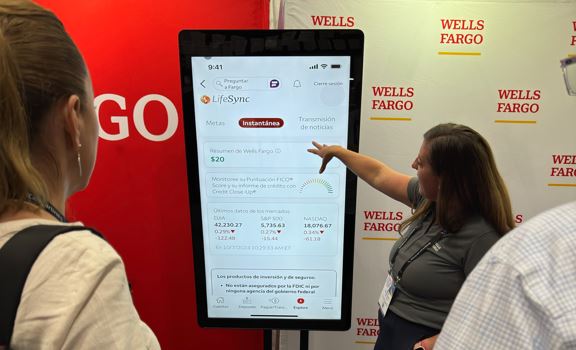
Understandably, those exhibiting for the first time can feel pressure to engage every passerby personally. With interactive displays, they help share that workload by guiding visitors through your story while maintaining consistency. They create structure on a busy trade show floor where attention is limited.
How interactive screens guide visitors with no hard selling
Interactive displays allow visitors to explore at their own pace. In lieu of relying on a verbal pitch every time, screens present key information visually and clearly. It lowers the barrier to entry and encourages curiosity.
Visitors who engage with a screen are already demonstrating interest. This makes it easier for staff to step in with context and ask relevant questions.
Gathering leads while educating visitors
Interactive screens can collect information naturally as part of the experience. Visitors can sign up for demos, request follow-up, or access resources directly on the display.
This approach ensures lead generation happens alongside education. It also keeps data clean and organized, which is especially valuable for first-time teams managing many conversations at once.
11. Run Demos Without Overwhelming Yourself
Demos are powerful, but they can quickly drain energy if they are too complex or inconsistent. You can definitely benefit from demos that are short and easy to deliver throughout the day.
Keep demos brief and repeatable
A strong demo focuses on one or two core points. Long walkthroughs risk losing attention and create bottlenecks at the booth. Short demos enable more attendees to engage and keep momentum high.
Repeatable demos also reduce stress on staff. When everyone follows the same structure, messaging stays consistent and confidence grows with each interaction.
Let visitors control the experience
When visitors can interact directly with a demo, engagement increases. Touchscreen displays allow them to explore features, watch short videos, or navigate workflows on their own.
This approach shifts the role of staff from “presenter” to “guide.” It creates a more relaxed environment and helps exhibitors manage volume without sacrificing quality.
12. Qualify Leads During the Event
Lead qualification should happen while conversations are fresh. Waiting until after the show can only result in guesswork and missed context. Simple qualification methods keep follow-up focused and effective.
Recognize buying intent signals
Certain behaviors indicate stronger interest. Questions about pricing, timelines, implementation, or comparisons with competitors suggest someone is actively evaluating options. These signals surface naturally during a focused conversation.
Pay attention to how visitors describe their role and challenges. When they connect your solution to a specific need, it is a strong indicator that follow-up should be prioritized.
Simple tagging systems for first-time teams
Complex scoring systems are unnecessary for a first event. A basic tagging approach works well and keeps everyone aligned. Notes such as high interest, medium interest, or information only provide enough clarity to guide next steps.
Tag leads immediately after the interaction. Even brief notes about context or timing add value and prevent confusion once you return to the office.
13. Manage Energy and Time on the Show Floor
Trade show days are looong and demanding. Fatigue affects performance and engagement quality. Managing energy and time helps first-time trade fair exhibitors stay consistent from opening to close.
Rotations, breaks, and focus management
Plan staffing schedules in advance. Rotations guarantee no one is stuck on their feet for hours without rest. Short breaks help maintain focus and a positive attitude throughout the day.
Clear schedules also reduce stress. When staff know when they are on and off the floor, they engage more confidently during their active periods.
Avoid time drains from low-intent visitors
Not every visitor requires extended attention. Some may be gathering information casually or looking for giveaways. Learning to recognize this early allows staff to politely conclude the conversation.
Simple phrases that redirect or close the interaction respectfully free up time for higher-value conversations. This balance keeps energy focused where it matters most.
14. Don’t Overlook Pre-Show Preparation
What happens before the event can determine how successful it will be. Don’t focus so heavily on the booth itself and underestimate the impact of early preparation. Small efforts made weeks ahead of time can significantly improve results on the floor.
Outreach before the event starts
Waiting for attendees to discover your booth is a missed opportunity. Reaching out to existing contacts, prospects, or registered attendees helps create familiarity before the show begins.
Simple invitations to stop by or schedule a short meeting give people a reason to seek you out. These pre-arranged conversations can become the most productive interactions of the event.
Prepare lead acquisition workflows ahead of time
Confusion at the booth slows everything down. Setting up prospect acquisition tools, forms, and processes in advance removes friction during live interactions.
Test devices, assign responsibilities, and agree on how information will be tagged. When workflows are clear, staff can concentrate more on conversations and zero on troubleshooting logistics.
15. Don’t Overlook Post-Show Follow-Up Either
The event ends, but the real work begins afterward. Follow-up is where interest turns into action. Exhibitors who move quickly gain an advantage while conversations are still fresh in attendees’ minds.
Speed in follow-up
Timing plays a major role in response rates. Reaching out within a few days helps reinforce the connection and reminds leads of the context in which they met you.
Delays reduce familiarity. By the time a late follow-up arrives, many leads have already moved on or worse – forgotten the interaction entirely.
Segment leads for smarter outreach
Qualified leads should not receive the same message. Use the notes and tags collected during the event to tailor outreach based on interest level and needs.
Personalized follow-up shows attentiveness and increases engagement. It also helps avoid generic messages that go unread.
16. Measure Success Beyond Booth Traffic
To reiterate, booth traffic alone does not indicate success. Meaningful measurement focuses on outcomes that connect directly to business goals. Clear metrics help you understand what worked and where to improve more on.
KPIs for first-time exhibitors
Track metrics that reflect progress after the event. Qualified leads, booked follow-up meetings, and demo requests provide insight into lead quality. These indicators show whether conversations moved beyond surface-level interest.
Cost per lead is another useful measure. Comparing total event spend against the number of qualified leads helps assess efficiency and guides future budgeting decisions.
Using results to refine your next event
Your first trade show sets a baseline. Reviewing results with your team highlights strengths and gaps in preparation, messaging, and execution.
Use these insights to make targeted adjustments. Improving one or two areas for the next event delivers stronger returns than making sweeping changes without clear direction.
How Padzilla Helps a First Time Trade Show Exhibitor Compete With Bigger Brands
First-time exhibitors compete against established brands with larger booths and intimidating budgets. Your advantage comes from how effectively you engage visitors. Padzilla helps level the playing field by turning attention into structured interaction.
Turn attention into structured engagement
Large interactive screens naturally draw people in. Once engaged, visitors can explore your content, view demos, and learn at their own pace. This creates a consistent experience for every visitor, regardless of how busy your booth becomes.
Structured engagement also helps guide conversations. When visitors arrive informed, staff can focus on understanding needs and moving discussions forward instead of repeating the same explanations.
Simplify lead capture and demos for new teams
Padzilla combines education and lead capture into one workflow. Visitors can request demos, submit contact information, or access resources directly on the screen. This reduces manual effort and keeps data organized from the start.
For first-time teams, this simplicity matters. It minimizes pressure on staff, maintains consistency, and ensures no opportunities slip through the cracks during busy show hours.
Closing Thoughts: Tips for First Time Trade Show Exhibitors
It doesn’t have to feel overwhelming and stressful when it’s your first time attending a trade show. With unambiguous goals, thoughtful preparation, and the right tech tools, it becomes a learning experience that builds confidence and momentum. Feel free to follow this trade show exhibitor checklist for your next event!
And if you want to make your booth more engaging and idiotproof to manage from day one, Padzilla can help you create a trade show experience that intrigues, attracts the right visitors and supports meaningful follow-up. Reach out today!


